Basics
Why Did My Car Insurance Rate Go Up?
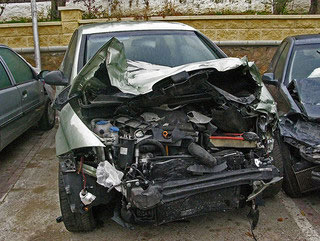
A renewal bill that's higher than last year's is one of the most common reasons drivers start shopping for a new policy. A claim or an accident is the most obvious cause, but it isn't the only one — several things can push your premium up even if your driving hasn't changed at all.
Filing a claim, especially an at-fault one
Every insurer keeps its own internal "surcharge schedule" — the rules it uses to adjust your premium after a claim. These aren't public and vary a lot between companies, but the general pattern holds everywhere: an at-fault accident or a claim raises your rate at your next renewal, and a second claim within a short window (commonly the following 12 months) raises it considerably more than the first. A not-at-fault claim, where another driver was clearly responsible, typically has little or no effect on your own rate.
Some insurers run accident-forgiveness style programs that waive the increase for a first at-fault accident if you've had a long clean record with them — terms vary a lot by company and state, so ask your own insurer what it offers rather than assuming a specific program applies to you.
A drop in your credit-based insurance score
In states that allow it, insurers periodically re-check your credit-based insurance score, and a meaningful drop can raise your premium at renewal even with a perfect driving record, since insurers treat it as a risk signal independent of how you drive.
Adding a driver or a new vehicle
Adding an inexperienced, very young, or otherwise higher-risk driver to your policy raises the household rate, as does adding a newer or more expensive vehicle — insurers price in the higher cost of repairing or replacing it.
State or regulatory changes
Some states periodically raise their minimum required coverage, or approve broader rate increases for insurers operating there, independent of your own record — see your state's guide for the current minimums and how recently they've changed.
What to do if your rate jumps unexpectedly
If your premium goes up noticeably and nothing about your driving record, vehicle, or household has changed, it's worth asking your insurer directly what drove the change — and comparing quotes from other companies. See our guide on comparing insurers and quotes for how to do that properly.
A claim that wasn't your fault
A not-at-fault claim usually has little or no effect on your own premium, but "usually" is doing some work in that sentence. Comprehensive claims — theft, hail, a cracked windshield — are generally treated more gently than collisions, though several in a short period can still affect renewal. In no-fault states, your own policy pays your medical costs regardless of blame, so the picture differs again. If a claim you did not cause has moved your premium, ask the insurer to explain which part of the rating changed.
Things that changed without you noticing
Premiums often rise for reasons unconnected to driving. A discount can quietly expire: a good-student discount ends when grades or enrolment change, a defensive-driving course discount typically runs three years, and paperless or pay-in-full discounts disappear if the payment method changes. Moving house re-rates the policy on the new garaging address, sometimes sharply, even a short distance away. A change of job or commute alters annual mileage. And a teenage driver reaching the age where they must be listed will move the household rate substantially.
Industry-wide increases
Sometimes the cause is nothing to do with you at all. Insurers file rate changes with state regulators, and approved increases apply across a whole book of business. Repair costs, vehicle technology, parts availability, medical costs and litigation all feed into those filings, and several published analyses through 2026 have tracked rising premiums across much of the country (Insurify and ValuePenguin, 2026). In that situation your own record has not changed — but the price of the same cover has, and other carriers may have filed differently.
How long an increase lasts
Surcharges for at-fault accidents and violations usually run three years, sometimes five, then drop off. That has a practical consequence: the best time to re-shop is just after an old incident ages out of the look-back window, because the quotes you get then reflect a cleaner record than the ones you got last year.
AutoInsuranceQuery editorial team. Last reviewed: September 29, 2026.